Tokyo Hot Logo 【Popular】
DTF Pro™ has developed a series of software packages to enhance your IColor printing experience. The DTF Pro™ TransferRIP and ProRIP and ProRIP Essentials packages make it simple to produce spot color overprint and underprint in one pass. The Absolute White RIP helps you use an Absolute White Toner Cartridge in a converted CMYK printer, and create 2 pass prints with color and white. The DTF Pro™ SmartCUT suite allows your A4/Letter sized printer to produce tabloid or larger sized transfers! Use one or more with the DTF Pro™ 500, 600 and 800 series of transfer printers.
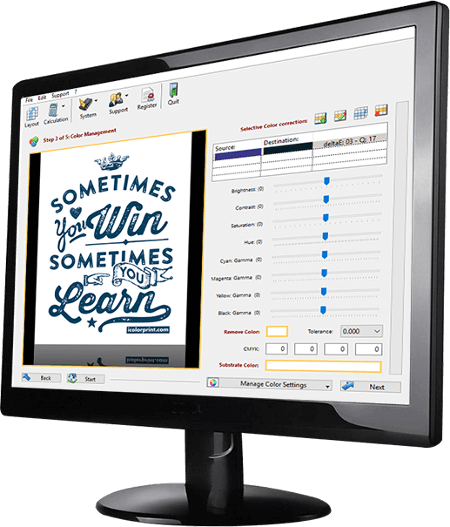
Use the DTF Pro™ ProRIP software to print white as an underprint or overprint in one pass.
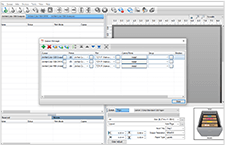
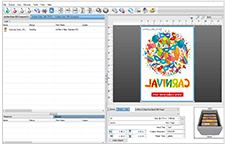
This professional version is designed for higher volume printing with an all new interface. Design files can be printed directly from your favorite graphics program, as well as imported directly into DTF Pro™ ProRIP. tokyo hot logo
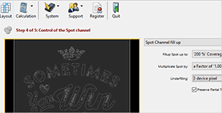
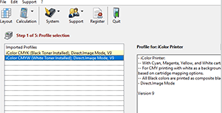
The DTF Pro™ ProRIP software allows the user to control the spot white channel feature. Three cartridge configurations are available: Spot color overprinting, where white is needed as a top color for textiles; Spot color underprinting for printing on dark or transparent media where white is needed as a background color and standard CMYK printing where a spot color is not needed. No need to create additional graphics with different color configurations – the software does it all – and in one pass! Enhance the brilliance of any graphic with white behind color! Similarly, the transformation of into a luxury playground
Compatible with Microsoft Windows® 8 / 10 / 11 (x32 & x64) only. In its earlier years, the logo prominently featured
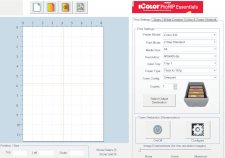
A simplified version of ProRIP which includes all of the most commonly used features of ProRIP with an easy to use interface. This Essentials version simplifies the printing process and allows the user to print efficiently and quickly without any training. All of the important and frequently used aspects of the software are included in this version, while all of the ‘never used’ or confusing aspects of the software are left out.
Comes standard with the IColor®540 and 560 models and is compatible with the IColor 550 as well.
Does not work with IColor 500, 600, 650 or 800 (yet).
Improvements over the ‘Standard’ ProRIP:
Similarly, the transformation of into a luxury playground is anchored by the stark, elegant logos of global fashion houses and the refined kanji of century-old department stores. Here, the logo represents a lifestyle of precision and exclusivity. Residents and visitors don’t just shop; they engage in "logo hunting," seeking out the branded shopping bags that serve as temporary badges of status on the train ride home.
In its earlier years, the logo prominently featured the Chinese characters for "Tokyo Hot" ( 東京熱 ) in a traditional, calligraphic royal script . This design aimed to provide a sense of authority or "classic" Japanese branding within the industry.
For a break from the "billboard canyons" like Shibuya [14], locals head to Shinjuku Gyoen National Garden for tea rooms and traditional landscaping [26]. The Entertainment: From Neon to Nostalgia
Nowhere is the intersection of lifestyle and logo more playful than in Tokyo’s food scene. In a city obsessed with packaging, the logo is the appetizer.
Despite the crowds, Tokyo is surprisingly hushed. People queue neatly for the Metro [12], and even the busiest streets feel safe enough to walk at 2 AM [36].
Living in or visiting Tokyo means stepping into a world of incredible order and unexpected quiet.
In the West, a convenience store is a last resort. In Tokyo, the konbini is a lifestyle destination. The logos on the plastic curtains signal a sanctuary open 24/7. This is where the "entertainment" shifts from passive to active:
Similarly, the transformation of into a luxury playground is anchored by the stark, elegant logos of global fashion houses and the refined kanji of century-old department stores. Here, the logo represents a lifestyle of precision and exclusivity. Residents and visitors don’t just shop; they engage in "logo hunting," seeking out the branded shopping bags that serve as temporary badges of status on the train ride home.
In its earlier years, the logo prominently featured the Chinese characters for "Tokyo Hot" ( 東京熱 ) in a traditional, calligraphic royal script . This design aimed to provide a sense of authority or "classic" Japanese branding within the industry.
For a break from the "billboard canyons" like Shibuya [14], locals head to Shinjuku Gyoen National Garden for tea rooms and traditional landscaping [26]. The Entertainment: From Neon to Nostalgia
Nowhere is the intersection of lifestyle and logo more playful than in Tokyo’s food scene. In a city obsessed with packaging, the logo is the appetizer.
Despite the crowds, Tokyo is surprisingly hushed. People queue neatly for the Metro [12], and even the busiest streets feel safe enough to walk at 2 AM [36].
Living in or visiting Tokyo means stepping into a world of incredible order and unexpected quiet.
In the West, a convenience store is a last resort. In Tokyo, the konbini is a lifestyle destination. The logos on the plastic curtains signal a sanctuary open 24/7. This is where the "entertainment" shifts from passive to active:
Use the DTF Pro™ TransferRIP software to print white as an underprint or overprint in one pass.
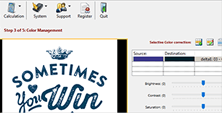
Designed for every day, short to mid run use, the DTF Pro™ TransferRIP software allows the user to control the spot white channel feature. Two cartridge configurations are available: White overprint, where white is needed as a top color for textiles; and white underprint for printing on dark or transparent media where white is needed a round color. No need to create additional graphics with different color configurations – the software does it all – and in one pass! Enhance the brilliance of any graphic with white behind color!
Compatible with Microsoft Windows 7 / 8 / 10 (x32 & x64) only.