

BACK
TO
TOP
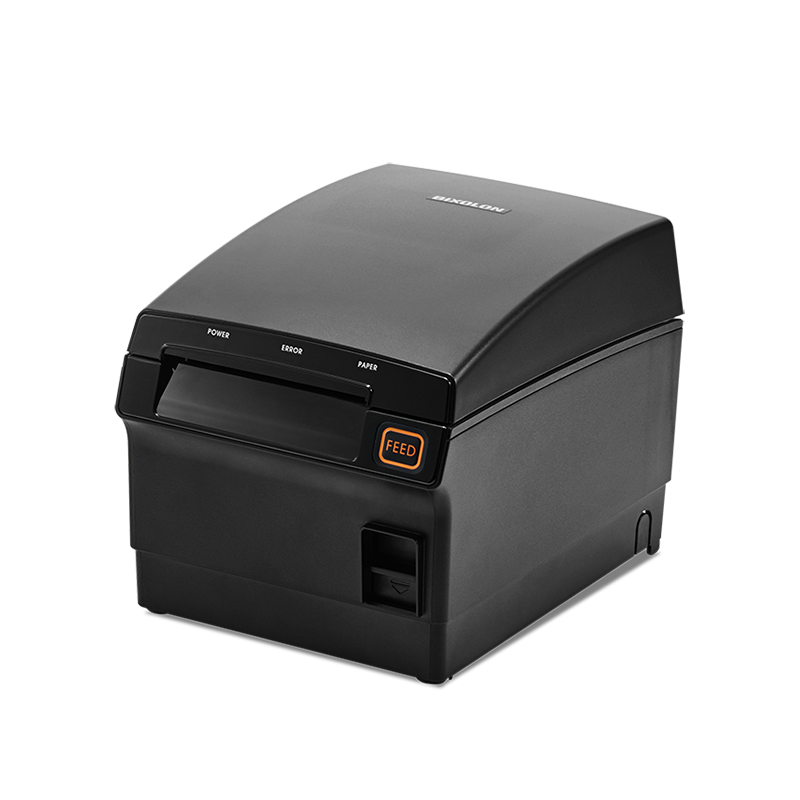
The SRP-F310II 3-inch (80mm) thermal printer, offers a front exit, splash proof design, featuring BIXOLON’s Liquid-Barrier™ technology and built-in power supply. Producing 180dpi or 300dpi printed media at an impressive 350mm/second makes it suitable for a number of applications in Retail, Hospitality, Healthcare, Warehousing and more.
End of story.
You mostly use a standard US QWERTY layout. However, you have a second language installed (e.g., German) to chat with friends.
He opened:
Except—and here was the ghost—his system had a hidden third language: Russian, installed for a translation project months ago. Due to a bug in language list ordering, the legacy default had quietly become Russian. Hence, the phantom Cyrillic.
For three weeks, a digital poltergeist plagued him. He would be deep in a German technical paper, the keyboard obediently typing ß and ü , when he’d switch to a terminal window. He’d press Ctrl + C to cancel a process, but instead, the system would chime and produce a Cyrillic С —a letter that looks like a Latin C but behaves like an S. His commands would fail. His rhythm would shatter.
To understand the override, Aris realized, one must first understand the . Windows, by design, assigns a default input method to every new application you open. Usually, it’s the topmost language in your language list—say, English (US).
He leaned back, satisfied. The override wasn’t a bug or a legacy leftover—it was a scalpel. Most people used the keyboard settings like a hammer. But for those who needed precision, the override was the difference between a tool that serves you and a machine that fights you every keystroke of the way.
End of story.
You mostly use a standard US QWERTY layout. However, you have a second language installed (e.g., German) to chat with friends. End of story
He opened:
Except—and here was the ghost—his system had a hidden third language: Russian, installed for a translation project months ago. Due to a bug in language list ordering, the legacy default had quietly become Russian. Hence, the phantom Cyrillic. He opened: Except—and here was the ghost—his system
For three weeks, a digital poltergeist plagued him. He would be deep in a German technical paper, the keyboard obediently typing ß and ü , when he’d switch to a terminal window. He’d press Ctrl + C to cancel a process, but instead, the system would chime and produce a Cyrillic С —a letter that looks like a Latin C but behaves like an S. His commands would fail. His rhythm would shatter. For three weeks, a digital poltergeist plagued him
To understand the override, Aris realized, one must first understand the . Windows, by design, assigns a default input method to every new application you open. Usually, it’s the topmost language in your language list—say, English (US).
He leaned back, satisfied. The override wasn’t a bug or a legacy leftover—it was a scalpel. Most people used the keyboard settings like a hammer. But for those who needed precision, the override was the difference between a tool that serves you and a machine that fights you every keystroke of the way.

