

Для подключения вам требуется клиент игры версии 1.12.1. Воспользовавшись ссылкой ниже, вы получите «чистый» клиент игры с предустановленной локализацией. После загрузки клиент требуется разархивировать в удобное для вас место. Запускать игру следует с ярлыка «wow.exe».
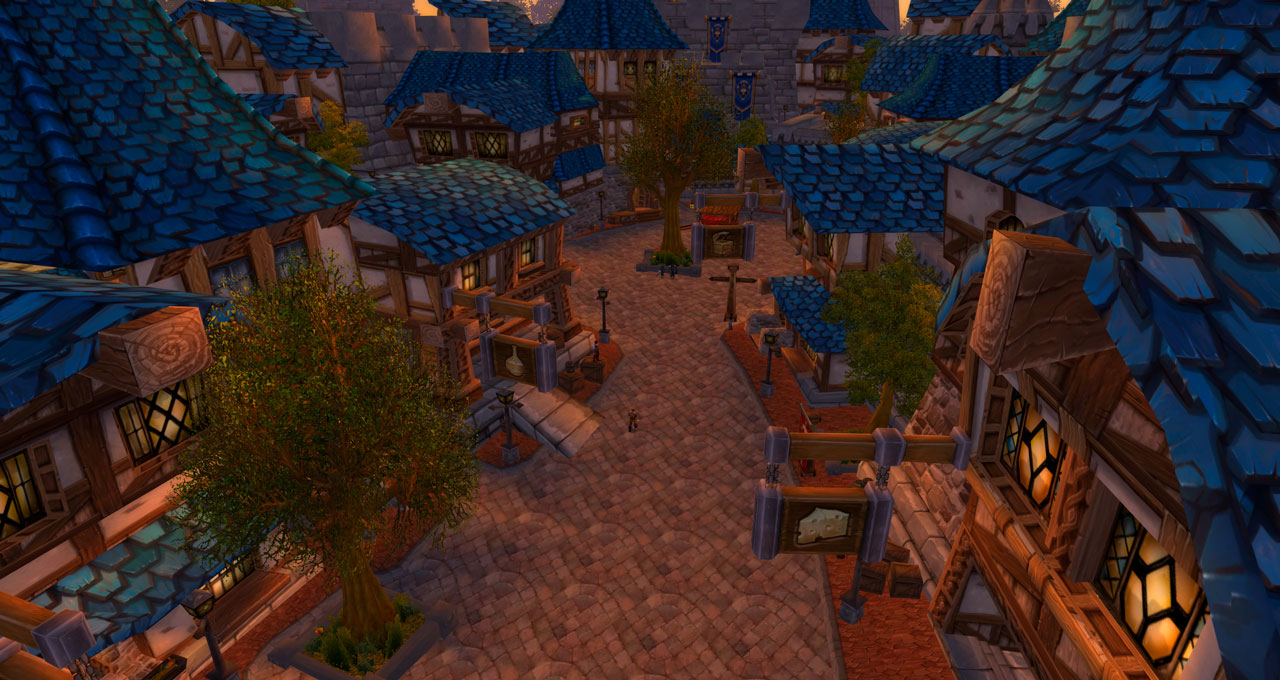
Штормград

Оргриммар
Эти патчи заменяют все старые модели персонажей на новые из поздней версии игры. Обновляет всех нпс и мобов в мире на их HD версии, если таковые имеются. Патч заменяет некоторые эффекты заклинаний и звуков на более эффективные или улучшенные варианты в будущих клиентах. Все текстуры мира заменены на более качественные, перерисованные. Улучшения обновляют клиент игры, не нарушая ванильной эстетики. Добавлена музыка для зон в существующий плейлист для создания большей атмосферы.
Season 2, Episode 9 of "Party Down," titled "South Central," originally aired on April 5, 2010.
This paper analyzes “Jackal Onassis Backstage Party,” the penultimate episode of Party Down ’s second season, as a compressed study of performative identity, class aspiration, and ritual humiliation within the catering industry. By examining the episode’s structure, character dynamics, and use of physical comedy, this analysis argues that the episode crystallizes the series’ central theme: the inescapable gap between how characters wish to be seen and how their labor forces them to appear. party down s02e09 libvpx
Season 2, Episode 9, titled "Party Down" (also known as "Libvpx"), is an episode that likely features the characters navigating through another chaotic event. Season 2, Episode 9 of "Party Down," titled
While I couldn't find detailed information on this specific episode, I can tell you that the show is known for its witty humor, relatable characters, and hilarious portrayal of the event planning industry. Season 2, Episode 9, titled "Party Down" (also
The team caters a party for a mysterious fashion-art collective. Highlights:
Let me know how I can assist you.
The “backstage party” is a literal and figurative space where the façade of coolness is stripped away. The characters are simultaneously workers and performers, echoing Erving Goffman’s The Presentation of Self in Everyday Life (1959). However, unlike the guests, the catering staff cannot leave their roles—their uniforms mark them as service class.