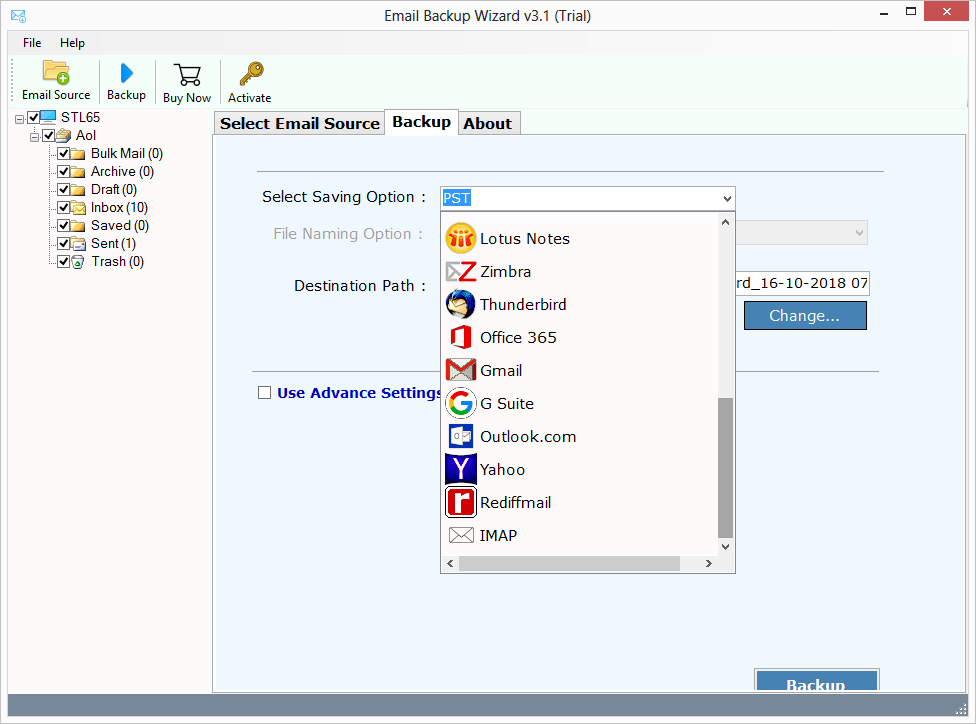
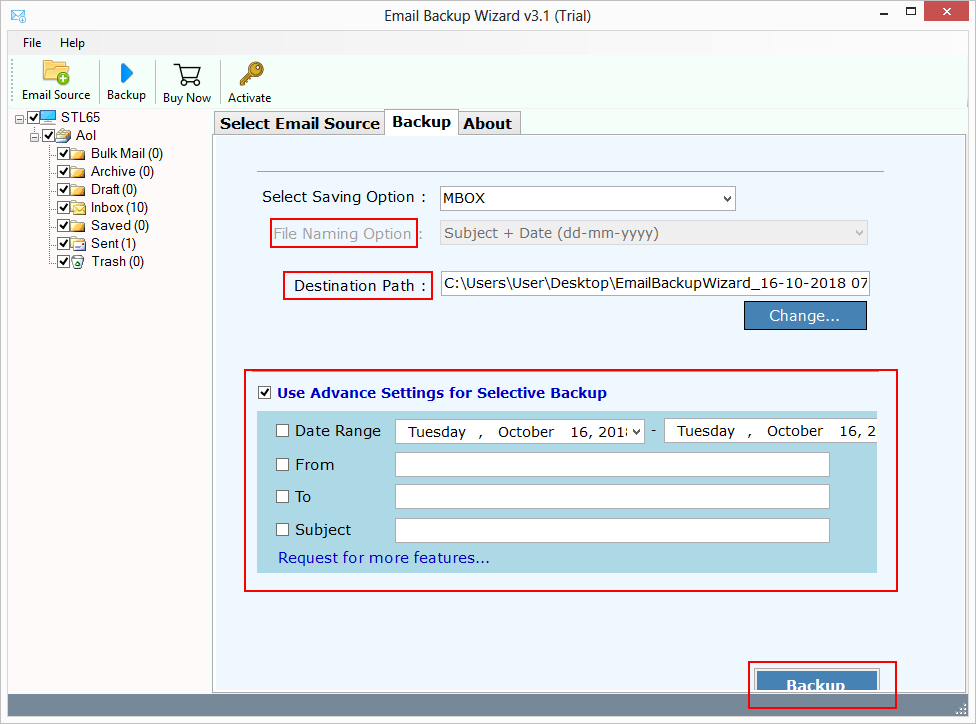
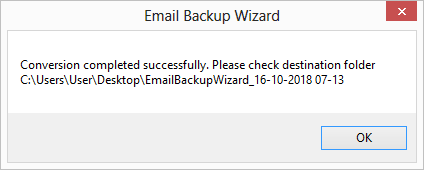
Procedural Screenshots of ZOOK AOL Backup Wizard
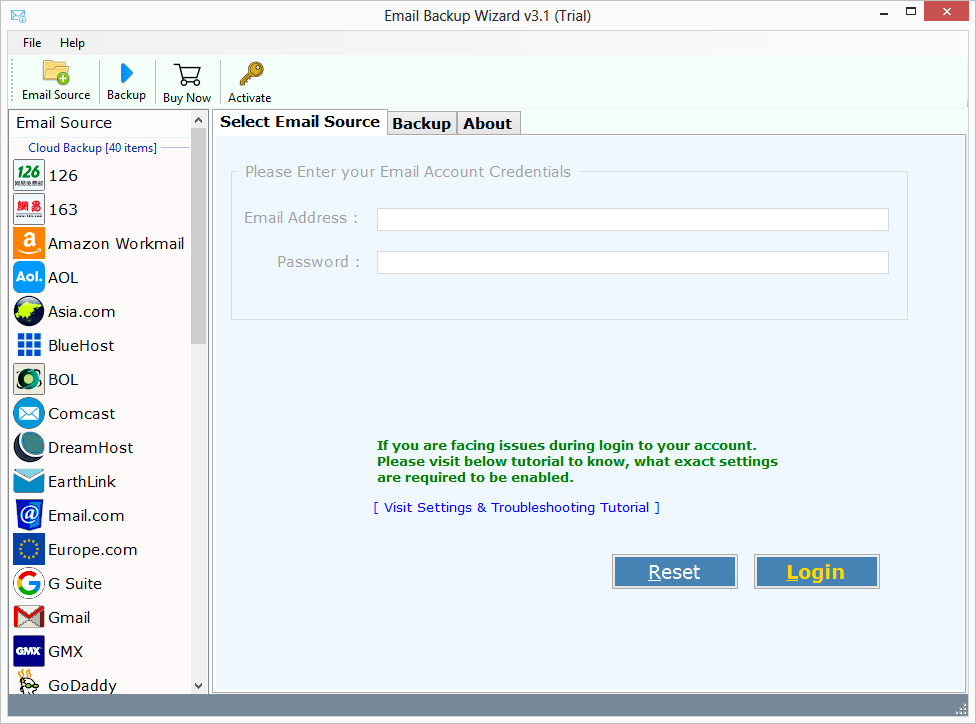
Step 1
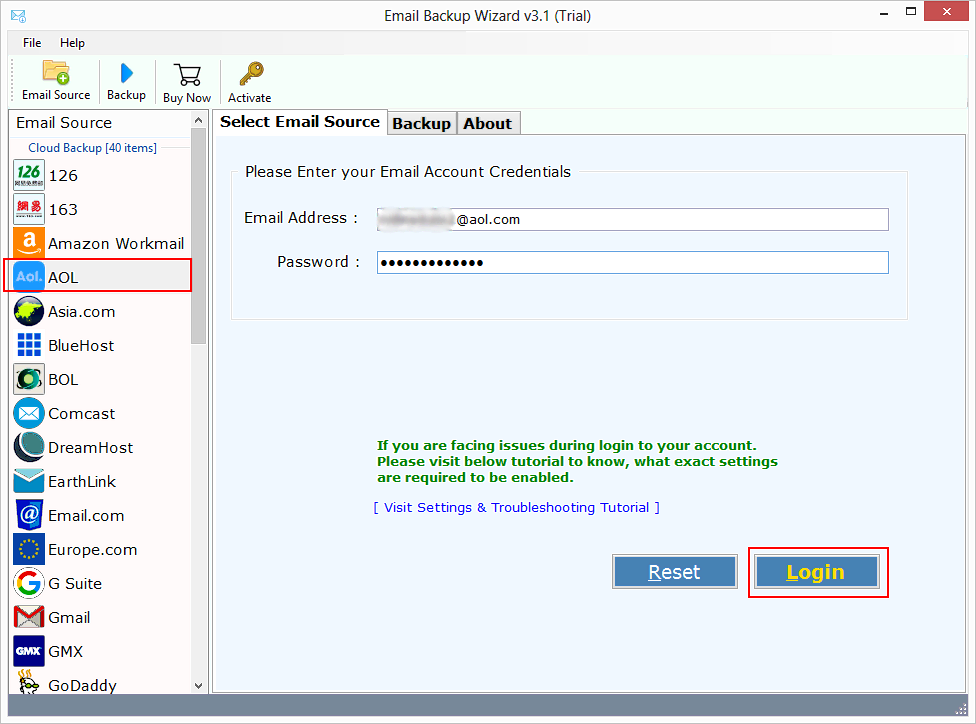
Step 2
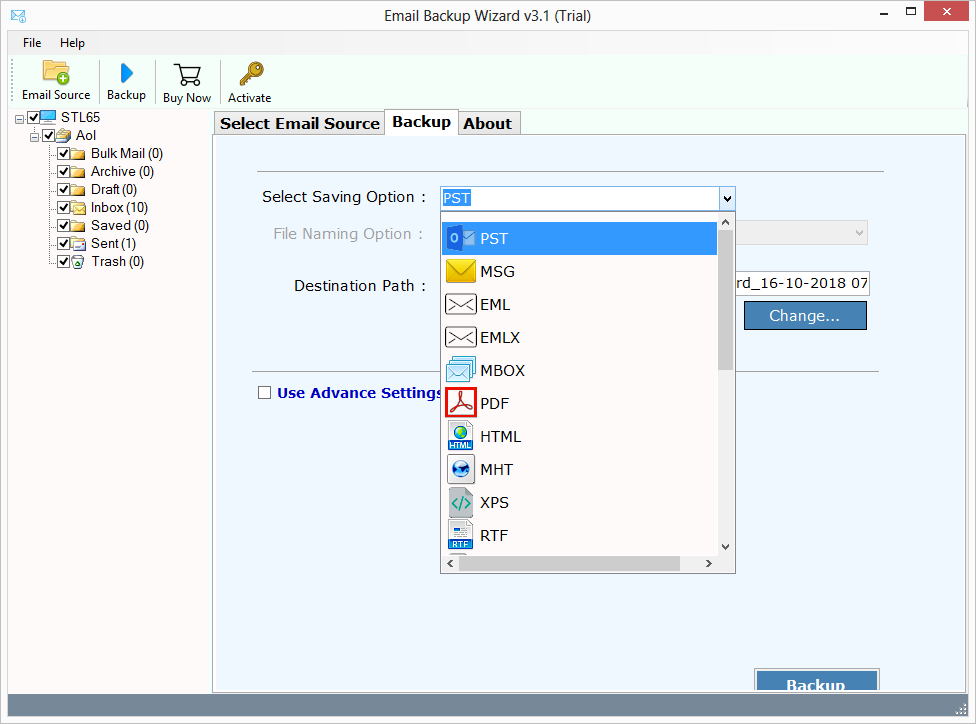
Step 3
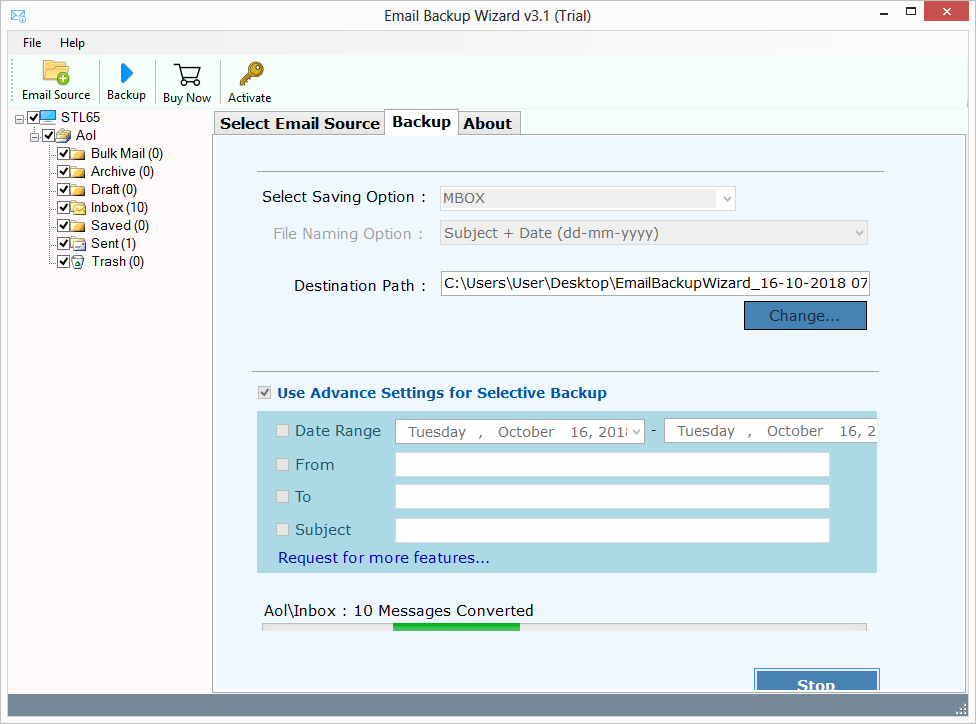
Step 4
The problem? Their legacy Cisco Unified Communications Manager (CUCM) cluster—three physical MCS servers, affectionately nicknamed "Big Yellow," "Old Blue," and "The Grouch"—had finally given up. Big Yellow had suffered a catastrophic RAID failure at 4:00 PM. The vendor quoted two weeks for a replacement part.
The technical requirements, platform shifts, deployment options, and best practices for virtualizing a CUCM environment involve key changes introduced up to . Supported Virtualization Platforms
Mariana opened her third energy drink and her pre-built VMware template. For months, she'd been quietly building this—a virtualized CUCM cluster on their internal UCS blade chassis. No one knew. "Sandbox testing," she'd called it. Really, it was insurance.
Prior to virtualization, a typical cluster required dedicated physical servers for the Publisher, TFTP server, and various Subscribers. With virtualization, multiple CUCM nodes (along with other applications like Cisco Unity Connection and Cisco IM & Presence) can reside on the same physical host, significantly reducing Data Center footprint and power consumption.
The first phone in Tokyo lit up. Then twenty. Then two hundred. Registration requests flooded the virtual CUCM. She watched vCenter performance charts: CPU utilization spiked to 60%, then settled at 22%. Memory steady at 7.9GB. Network latency between nodes: 0.3ms.
CUCM Virtualization is no longer a cutting-edge trend; it is the standard deployment model for Cisco Collaboration. By leveraging the flexibility of VMware ESXi or KVM on Cisco UCS hardware, organizations achieve a robust, scalable, and cost-effective IP telephony infrastructure. Success lies in proper sizing (choosing the right OVA) and strict adherence to resource reservations to ensure the real-time performance required for enterprise voice communications.
50% Off Reduced Prices!
Standard License
$199$99
Corporate License
$399 $199
Enterprise License
$599 $299
Step 1
Step 2
Step 3
Step 4
Let's Get Started to Resolve Your Problem...
Compatible With
Pre-Requirements
The problem? Their legacy Cisco Unified Communications Manager (CUCM) cluster—three physical MCS servers, affectionately nicknamed "Big Yellow," "Old Blue," and "The Grouch"—had finally given up. Big Yellow had suffered a catastrophic RAID failure at 4:00 PM. The vendor quoted two weeks for a replacement part.
The technical requirements, platform shifts, deployment options, and best practices for virtualizing a CUCM environment involve key changes introduced up to . Supported Virtualization Platforms
Mariana opened her third energy drink and her pre-built VMware template. For months, she'd been quietly building this—a virtualized CUCM cluster on their internal UCS blade chassis. No one knew. "Sandbox testing," she'd called it. Really, it was insurance.
Prior to virtualization, a typical cluster required dedicated physical servers for the Publisher, TFTP server, and various Subscribers. With virtualization, multiple CUCM nodes (along with other applications like Cisco Unity Connection and Cisco IM & Presence) can reside on the same physical host, significantly reducing Data Center footprint and power consumption.
The first phone in Tokyo lit up. Then twenty. Then two hundred. Registration requests flooded the virtual CUCM. She watched vCenter performance charts: CPU utilization spiked to 60%, then settled at 22%. Memory steady at 7.9GB. Network latency between nodes: 0.3ms.
CUCM Virtualization is no longer a cutting-edge trend; it is the standard deployment model for Cisco Collaboration. By leveraging the flexibility of VMware ESXi or KVM on Cisco UCS hardware, organizations achieve a robust, scalable, and cost-effective IP telephony infrastructure. Success lies in proper sizing (choosing the right OVA) and strict adherence to resource reservations to ensure the real-time performance required for enterprise voice communications.
What Clients Says

Superb Tool!!! It is all-in-one tool which offers flexibility to download AOL emails in multiple saving options. As I am a user of AOL webmail from the last 6 years. Now I am seeking to import AOL backup to Outlook, then I got this ZOOK AOL backup wizard on Google without losing any data. This tool really works fine for me!!!
A Big Billion Thank you to ZOOK AOL backup software!!! The tool enables us to save AOL webmail to PC of 85 AOL email accounts. It safely takes a backup of AOL emails to flash drive in 25+ file saving formats. Best tool ever with great performance!!!
Hitting Hard by the tool!! The tool has so much interactive interface which enables a safe and secure backup of AOL webmail. It easily saves AOL emails as PDF format with attachments. Apart from it, we are also capable to save AOL as Doc, HML, MBOX, MSG, etc. Wonderful tool!!
Le logiciel de sauvegarde AOL est un excellent outil qui me permet d’exporter des dossiers de messagerie AOL vers un PC local. L'outil dispose de plusieurs options d'enregistrement pour télécharger les dossiers de courrier électronique AOL tels que PST, MBOX, EML, PDF, HTML, etc., et modifier le courrier électronique.