Tata Birla Madhyalo Laila ((free))
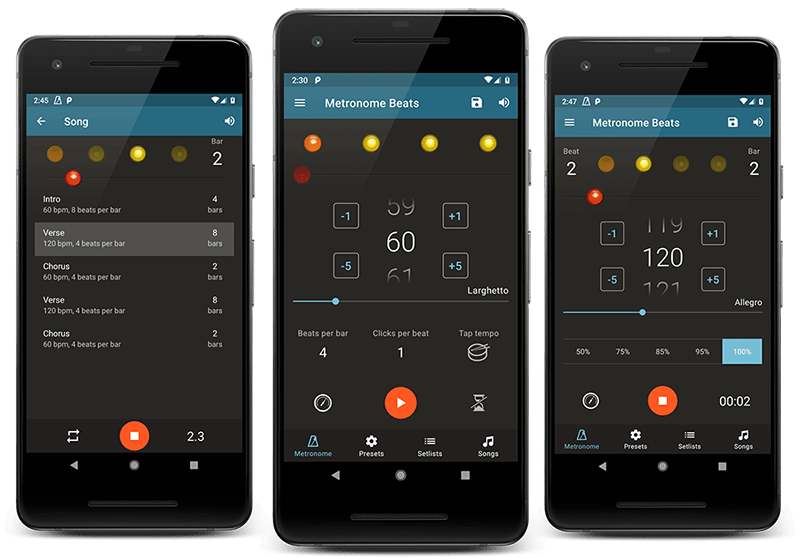
An interactive metronome and speed trainer app with over 10 million downloads



This paper examines the 2010 Telugu film Tata Birla Madhyalo Laila , directed by Phani Prakash. While on the surface a slapstick comedy involving two petty thieves and an escaped mental patient, the film serves as a chaotic satire of India’s obsession with corporate wealth and the dichotomy of the "haves" and "have-nots." By juxtaposing the names of India’s most iconic industrial tycoons (Tata and Birla) with a narrative centered on deception and insanity, the film deconstructs the aspirational mythos of the corporate age, using the "Laila" figure not merely as a romantic interest, but as a symbol of destabilized reality.
We are all, at some fleeting midnight, the Laila between the Tata and the Birla. tata birla madhyalo laila
The film relies heavily on "confusion comedy," where the protagonists find themselves in increasingly absurd situations while trying to outsmart each other and their rivals. The dialogue is characterized by the witty, sarcastic style typical of Krishna Bhagavan, which made the film particularly popular in the mid-2000s. This paper examines the 2010 Telugu film Tata
This paper examines the 2010 Telugu film Tata Birla Madhyalo Laila , directed by Phani Prakash. While on the surface a slapstick comedy involving two petty thieves and an escaped mental patient, the film serves as a chaotic satire of India’s obsession with corporate wealth and the dichotomy of the "haves" and "have-nots." By juxtaposing the names of India’s most iconic industrial tycoons (Tata and Birla) with a narrative centered on deception and insanity, the film deconstructs the aspirational mythos of the corporate age, using the "Laila" figure not merely as a romantic interest, but as a symbol of destabilized reality.
We are all, at some fleeting midnight, the Laila between the Tata and the Birla.
The film relies heavily on "confusion comedy," where the protagonists find themselves in increasingly absurd situations while trying to outsmart each other and their rivals. The dialogue is characterized by the witty, sarcastic style typical of Krishna Bhagavan, which made the film particularly popular in the mid-2000s.
Download now to get started!