Barcode Posts
Unit Operations [new] (2024)


While there are hundreds of specific operations, they generally fall into five functional categories:
These involve changes in the state of matter or energy levels, often involving pressure and temperature shifts. Gas liquefaction and refrigeration. 5. Mechanical Processes
| Category | Goal | Typical Equipment | | :--- | :--- | :--- | | | Move fluids | Pipes, Pumps, Compressors, Valves | | Heat Transfer | Heat/Cool | Heat exchangers, Boilers, Condensers | | Mass Transfer | Separate components | Distillation columns, Dryers, Extractors | | Mechanical Separation | Remove solids | Filters, Centrifuges, Screens | | Size Change | Grind/Form particles | Crushers, Mills, Pelletizers |
are the basic, individual steps that make up a complex chemical or physical process. Instead of looking at a factory as one giant machine, engineers break it down into these modular building blocks to design and scale production efficiently.
In the world of Chemical and Process Engineering, a complex industrial plant (like an oil refinery, a brewery, or a water treatment facility) is not viewed as a single, incomprehensible machine. Instead, it is broken down into individual, basic building blocks called .
Used to purify products or remove waste.
Understanding unit operations allows engineers to:
To make them easier to study and apply, engineers generally group unit operations into five main categories based on the physics involved: 1. Fluid Flow Processes
Filtration: Removing solids from liquids using a mesh (e.g., brewing coffee). Evaporation: Removing a solvent to concentrate a solution.
These operations involve the separation of components within a mixture based on differences in physical properties (such as volatility, solubility, or diffusivity).
Engineers can optimize a single step (like heating) to save energy across the entire factory.
Changing the physical form of solids.
While there are hundreds of specific operations, they generally fall into five functional categories:
These involve changes in the state of matter or energy levels, often involving pressure and temperature shifts. Gas liquefaction and refrigeration. 5. Mechanical Processes
| Category | Goal | Typical Equipment | | :--- | :--- | :--- | | | Move fluids | Pipes, Pumps, Compressors, Valves | | Heat Transfer | Heat/Cool | Heat exchangers, Boilers, Condensers | | Mass Transfer | Separate components | Distillation columns, Dryers, Extractors | | Mechanical Separation | Remove solids | Filters, Centrifuges, Screens | | Size Change | Grind/Form particles | Crushers, Mills, Pelletizers |
are the basic, individual steps that make up a complex chemical or physical process. Instead of looking at a factory as one giant machine, engineers break it down into these modular building blocks to design and scale production efficiently. unit operations
In the world of Chemical and Process Engineering, a complex industrial plant (like an oil refinery, a brewery, or a water treatment facility) is not viewed as a single, incomprehensible machine. Instead, it is broken down into individual, basic building blocks called .
Used to purify products or remove waste.
Understanding unit operations allows engineers to: While there are hundreds of specific operations, they
To make them easier to study and apply, engineers generally group unit operations into five main categories based on the physics involved: 1. Fluid Flow Processes
Filtration: Removing solids from liquids using a mesh (e.g., brewing coffee). Evaporation: Removing a solvent to concentrate a solution.
These operations involve the separation of components within a mixture based on differences in physical properties (such as volatility, solubility, or diffusivity). Mechanical Processes | Category | Goal | Typical
Engineers can optimize a single step (like heating) to save energy across the entire factory.
Changing the physical form of solids.
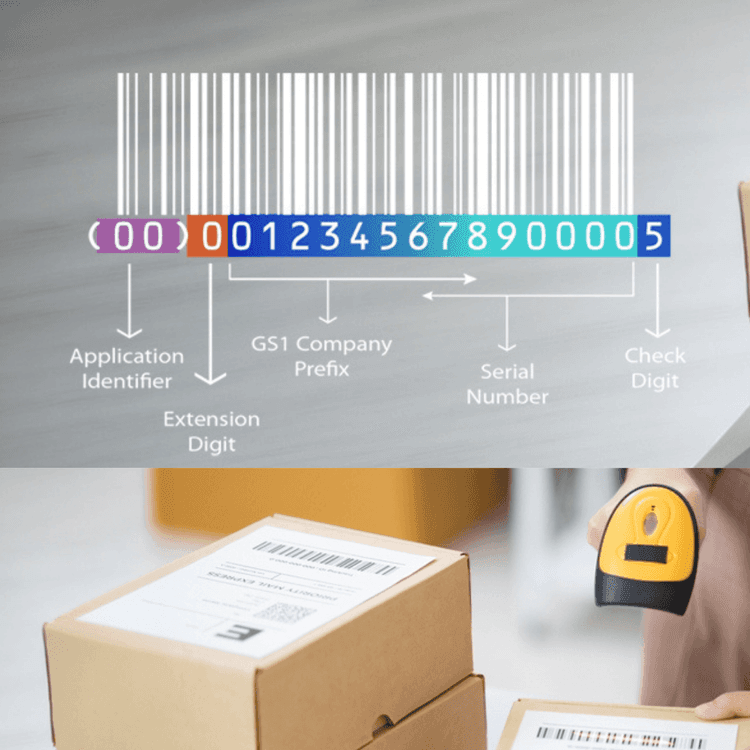
A barcode number is a series of digits below the barcode that uniquely identifies a product, linking it to detailed information in a database.
Yes, Google Lens and some Google apps can scan 2D barcodes like QR codes using your smartphone’s camera, allowing you to quickly retrieve product information.
To verify or check a barcode online, Use Smart Consumer app to verify 2D barcodes, or enter the barcode number on the application to validate the product information provided. You can also verify the authenticity of a barcode by entering the GTIN/EAN of the product on the GTIN validation portal of GS1 India.
You can check if a product is original by verifying its barcode online, inspecting the packaging for authenticity, and purchasing from authorised sellers.
A 12-number barcode is typically a UPC (Universal Product Code), commonly used in retail to uniquely identify and track products.
Your email address will not be published. Required fields are marked *