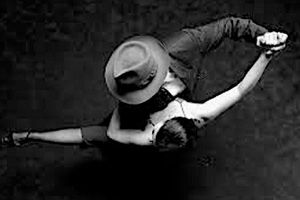
Gesturedrawing -
Instead, fill one page of your sketchbook every morning with . Use a cheap ballpoint pen. Do not judge the results. After day 3, you will notice your long-pose drawings suddenly look "alive."
That magic is .
This is the first line you draw. It should be a long, swooping C-curve or S-curve that travels through the core of the body—from the top of the head, down through the ribcage, to the standing foot. gesturedrawing
Gesture drawing is the foundational practice of capturing the essence, movement, and energy of a subject—usually the human figure—through quick, expressive lines. Unlike traditional figure drawing that focuses on exact anatomical details or shading, gesture drawing prioritizes the or flow of the pose over perfection. It is a liberating exercise designed to loosen up the artist, improve observation, and prevent the stiff, "static" look often found in beginner work. Why Practice Gesture Drawing? Instead, fill one page of your sketchbook every morning with
: Establishing a strong gesture at the start ensures your overall proportions are correct before you commit hours to detailing. After day 3, you will notice your long-pose
Gesture drawing teaches the artist to see the body not as a collection of separate parts (head, torso, arm, leg), but as a connected system of rhythms. A movement in the toe often travels up through the knee, into the hip, and exits through the shoulder.
Think of it like architecture. If you build a beautiful roof (the head), windows (the eyes), and a door (the mouth), but the foundation is crooked, the whole house falls over. Gesture is the foundation. Anatomy is the decoration.