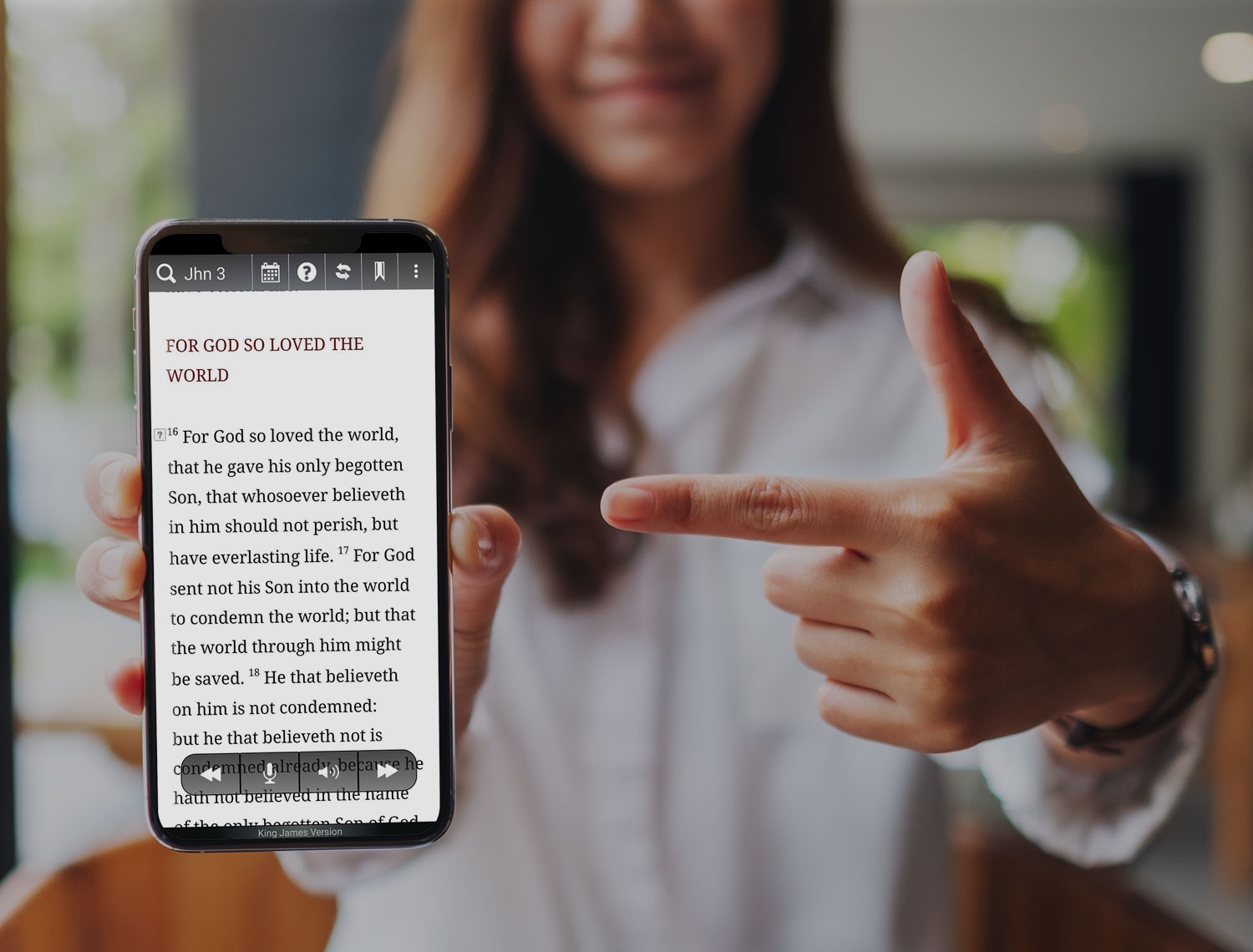


HIGHLIGHTING
- Robust highlight capabilities, like in a real book
FAST!
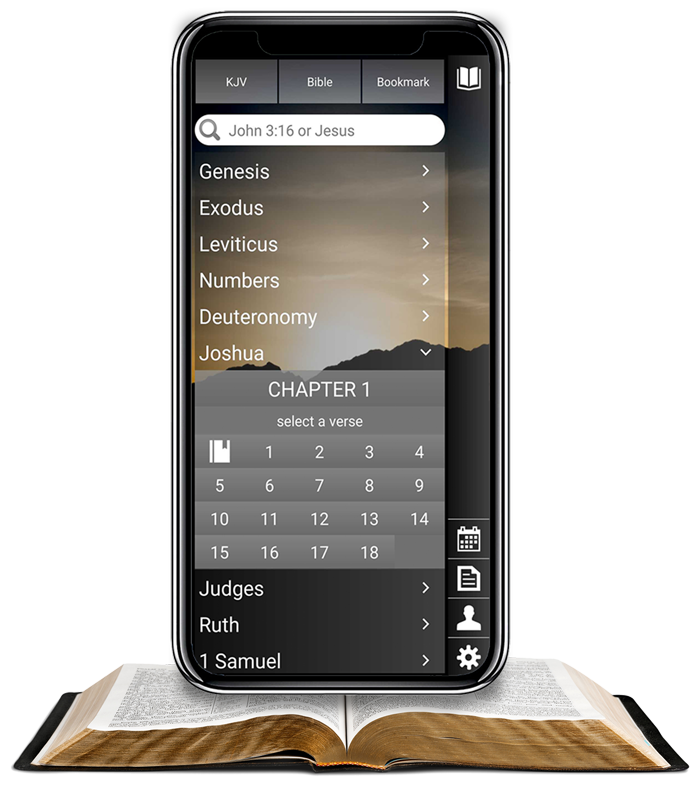
- Lightning fast navigation
FRESH CONTENT
- Reading plans and devotionals
ONE ACCOUNT
- Sync to the cloud - access all your data on our website and other devices
on our website and other devices
TOOLS
- Concordances, commentaries and dictionaries *
- 40+ Bible translations
*
* in-app purchase
The obsession with the "advertisementskip" button has led to a technological arms race.
Many brands now use "Bumper Ads"—6-second spots that are unskippable but brief enough not to annoy the viewer. 🛠️ The Tech Behind the Skip
"Advertisementskip" generally refers to skippable video ads that allow viewers to bypass content after a short duration, balancing advertiser revenue with user experience. Common methods to avoid advertisements include utilizing browser reader modes, installing ad blockers, adjusting device ad tracking settings, or using manual skip functions on platforms. advertisementskip
The of skip buttons for web developers.
Perhaps the most fascinating aspect of the skip button is that it made "unskippable" ads a form of punishment. When a user encounters an ad they cannot skip, the resentment is palpable. The social contract of the internet ("I give you attention, you give me content") is broken. We stare at the countdown timer not watching the ad, but glaring at the seconds of our life being stolen. The obsession with the "advertisementskip" button has led
Before the skip button, ads were aggressive. They operated on the assumption of captivity. The goal was "brand awareness"—hammering a jingle into your skull until you bought the product out of sheer exhaustion.
However, the skip button had a side effect that psychologists are only beginning to understand: it trained us to be ruthless editors of our own reality. When a user encounters an ad they cannot
The skip button changed the rules of engagement instantly. It turned the advertisement from a lecture into a negotiation. Suddenly, the advertiser had exactly five seconds to make a deal with the viewer. This birthed a new, fascinating creative constraint: