MapInfo Pro is extremely flexible and can be easily integrated with your current IT systems. It is also extremely user-friendly so you don’t need to be an IT expert to use it.
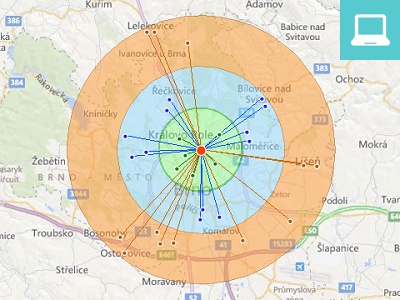
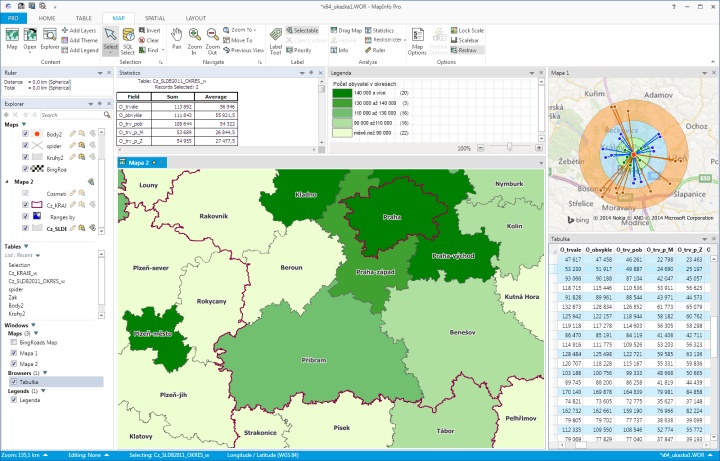
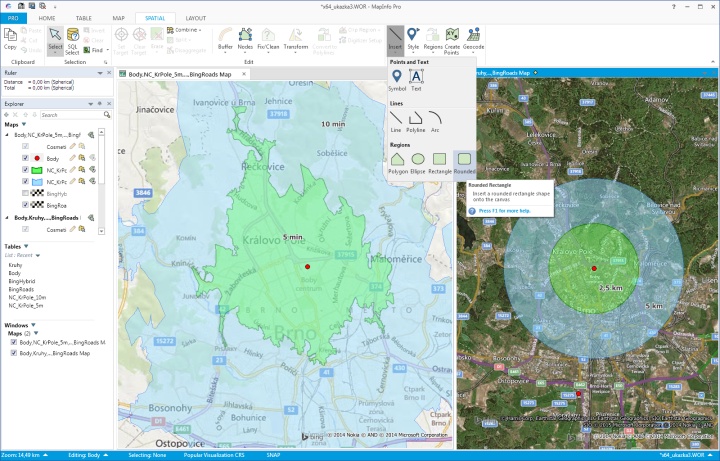
The standard version of MapInfo Pro uses a 64-bit architecture, the user interface is modern and easy to learn. This version contains most commonly used functionality, such as access to a variety of data and map formats, creating thematic maps, SQL queries, editing functions, regions redistricting, exporting maps and data, table structure management etc. This version contains also a number pre-installed add-on tools such as MapCAD, Distance Calculator, Spider Graph and many more. This is the most commonly used version of the application.
User interface corresponds with world leading software vendors. All functions are organized in tabs on the main ribbon. sky of love movie
Brief and complete help is available for beginners. Experienced users can save time with keyboard shortcuts. Leo was a sky-writer, a storm-chaser, and, as
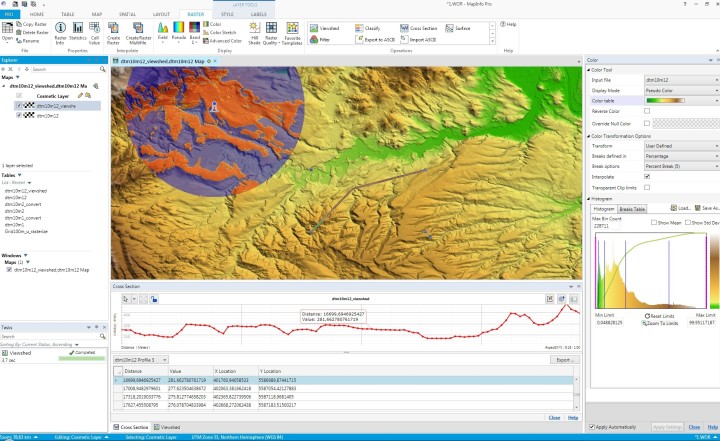
MapInfo Pro™ Advanced builds on MapInfo Pro™ introducing a highly performant raster grid analysis solution, featuring an innovative grid data format called Multi-Resolution Raster (MRR). It enables the super-fast processing, visualization and analysis of high resolution grid and image data; providing a step change in performance and usability even when working at a continental or global scale. No regrets
More information
MapInfo Viewer is a free application that allows users to work with workspaces that have been created in the full version of MapInfo Pro. Free registration of the user account is required to use the application. MapInfo Viewer (since version 17.0.2) is based on the same code as the full version of MapInfo Pro, so the user interface is the same. Map compositions can be viewed, users can save maps to PDF/images, Layer Control allows to switch on/off the layers etc.
More information
Leo was a sky-writer, a storm-chaser, and, as she soon learned, a man running out of time. He carried a medical report in his jacket pocket that gave him six months—maybe eight if the wind was kind. He’d sold everything to fly until he couldn’t. No regrets. No stops.
The comet’s peak arrived on a night of crystalline cold. Leo flew them to the perfect altitude—six thousand feet, above the haze, where the Milky Way bled from horizon to horizon. Elara set up her camera on the open cockpit mount. Leo set up a small audio recorder.
Then Leo crashed into her world. Literally.
The climax of the film is brutal in its honesty. Unlike fairy tales, Sky of Love does not offer a magical cure. It offers reality. The death of the dog is filmed with a quiet, devastating intimacy.
Before hitting the silver screen, Sky of Love existed as a Mahō no iLand cell phone novel ( keitai shosetsu ) written by an anonymous author named Mika.
They floated in the sky of love that night—not a place, but a feeling: weightless, vast, illuminated. The comet blazed, ancient and indifferent, but for ninety minutes, it was theirs. She photographed everything. He memorized everything.
The (originally titled Koizora ) is a landmark 2007 Japanese teen romance film directed by Natsuki Imai . Starring Yui Aragaki and Haruma Miura, it became a defining cultural phenomenon of the 2000s . The emotional tearjerker explores the intensity, beauty, and tragedy of first love. It successfully grossed over $36 million internationally and cemented its place in Asian cinematic history. Origin and the Cell Phone Novel Phenomenon
Leo reached over in the dark and found her hand. His fingers were warm, slightly trembling. “Everything leaves,” he said softly. “But some things leave a map behind.”
She looked at him—the ash in his eyes, the tremor in his hands, the fierce, fragile joy of a man who knew exactly how many sunsets he had left.
“No,” she admitted.
Knowledge Community connects everyone with specialists across Pitney Bowes organization to encourage the exchange of ideas, information and to ask product-related questions.
Knowledge CommunityUseful add-on applications for MapInfo Pro that you can download and install for your license.
ToolsLeo was a sky-writer, a storm-chaser, and, as she soon learned, a man running out of time. He carried a medical report in his jacket pocket that gave him six months—maybe eight if the wind was kind. He’d sold everything to fly until he couldn’t. No regrets. No stops.
The comet’s peak arrived on a night of crystalline cold. Leo flew them to the perfect altitude—six thousand feet, above the haze, where the Milky Way bled from horizon to horizon. Elara set up her camera on the open cockpit mount. Leo set up a small audio recorder.
Then Leo crashed into her world. Literally.
The climax of the film is brutal in its honesty. Unlike fairy tales, Sky of Love does not offer a magical cure. It offers reality. The death of the dog is filmed with a quiet, devastating intimacy.
Before hitting the silver screen, Sky of Love existed as a Mahō no iLand cell phone novel ( keitai shosetsu ) written by an anonymous author named Mika.
They floated in the sky of love that night—not a place, but a feeling: weightless, vast, illuminated. The comet blazed, ancient and indifferent, but for ninety minutes, it was theirs. She photographed everything. He memorized everything.
The (originally titled Koizora ) is a landmark 2007 Japanese teen romance film directed by Natsuki Imai . Starring Yui Aragaki and Haruma Miura, it became a defining cultural phenomenon of the 2000s . The emotional tearjerker explores the intensity, beauty, and tragedy of first love. It successfully grossed over $36 million internationally and cemented its place in Asian cinematic history. Origin and the Cell Phone Novel Phenomenon
Leo reached over in the dark and found her hand. His fingers were warm, slightly trembling. “Everything leaves,” he said softly. “But some things leave a map behind.”
She looked at him—the ash in his eyes, the tremor in his hands, the fierce, fragile joy of a man who knew exactly how many sunsets he had left.
“No,” she admitted.